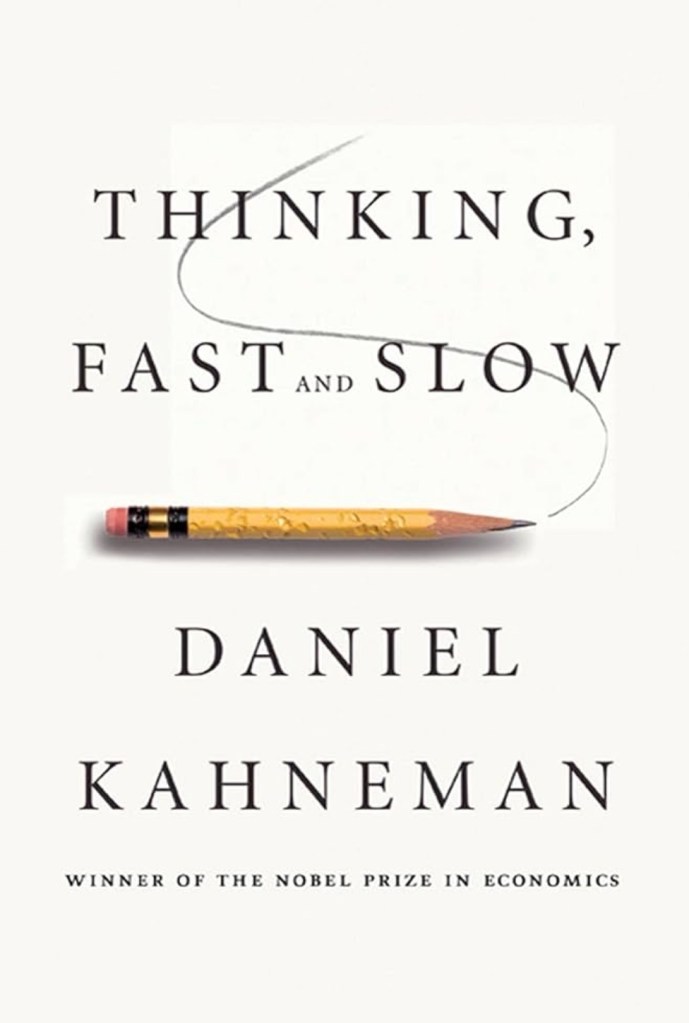
In exploring the curious divide between living and remembering, Daniel Kahneman offered one of the most illuminating observations about human experience.
We remember—and therefore judge—an experience not by the sum of every moment it contains, but by its emotional peaks and valleys and, above all, by the way it ends: the so-called “peak-end rule.” Kahneman distinguished between the “experiencing self,” which lives through pleasure and pain in real time, and the “remembering self,” which later constructs the story of what happened. The conflict between the two is profound. Not only is the remembering self imperfect at remembering, it often has little empathy for the experiencing self.
As Kahneman wrote:
“What we learn from the past is to maximize the qualities of our future memories, not necessarily of our future experience. This is the tyranny of the remembering self.”
His insight suggests that we do not merely live our lives; we continually edit them into stories. And it is often those stories—not the experiences themselves—that shape our choices, our regrets, and our understanding of who we are.
— Adapted from Daniel Kahneman’s work on the experiencing self and the remembering self, as presented in his lectures and in Thinking, Fast and Slow (2011).


Leave a comment