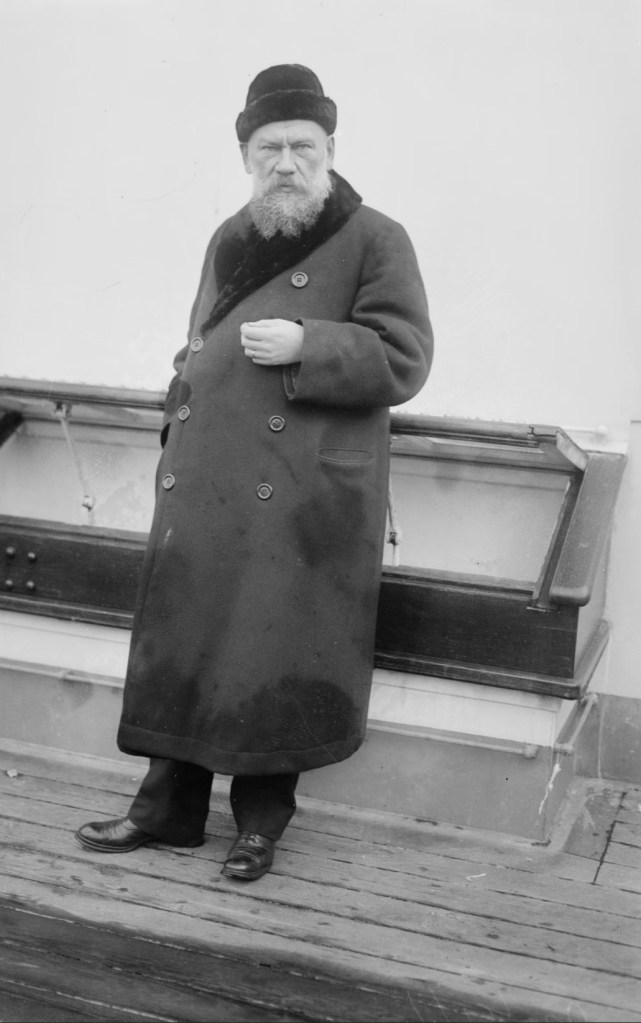
The novel describes the utter disorder and chaos of battle. The orders of the generals on both sides of the Napoleonic war he chronicles “were seldom carried out, and then only partially. For the most part the opposite happened to what they enjoined. Soldiers ordered to advance fell back on meeting grape-shot; soldiers ordered to remain where they were, suddenly, seeing an unexpected body of the enemy before them, would turn tail or rush forward, and the cavalry dashed unbidden in pursuit of the flying Russians.” Orders everywhere, Tolstoy writes, “fell victim to the fear of death and a blind stampede in all directions.” War, along with being hell, is usually marked by complete disarray.
Add to the general chaos the role chance plays in it.
Joseph Epstein, The Wall Street Journal


Leave a Reply