Jeffrey M Friedman M.D Ph.D
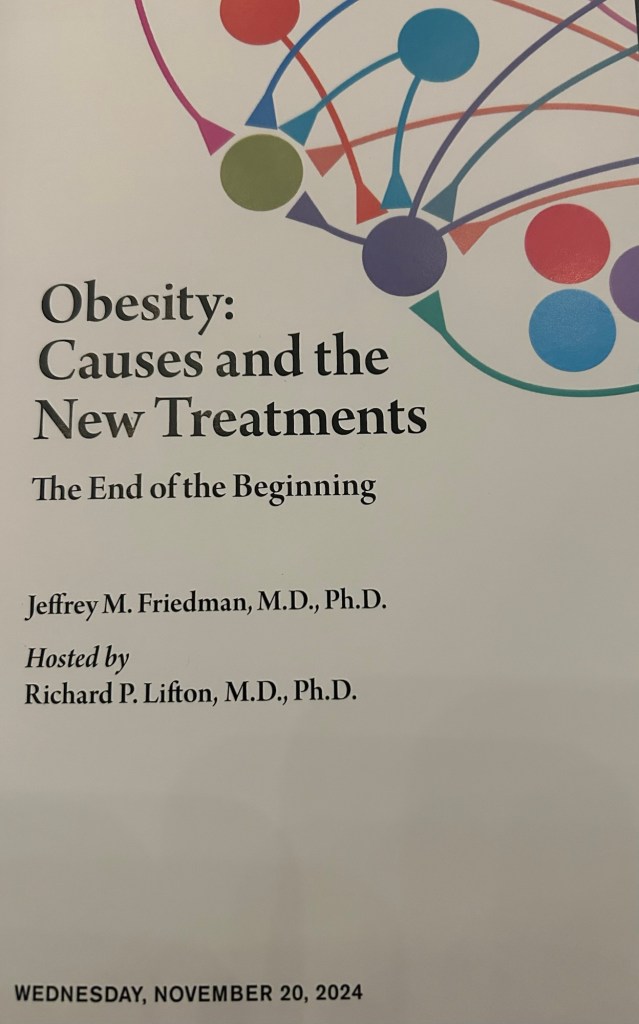
Obesity is a complex condition with genetic and biological underpinnings. Friedman’s research led to the discovery of leptin, a hormone produced by fat cells that plays a crucial role in regulating appetite and body weight
Causes of Obesity
Friedman emphasizes that obesity is not simply a matter of willpower or overeating. There are three main explanations for why some people eat more than others:
- Lack of willpower (a view often held by lean individuals)
- Environmental factors (sedentary lifestyle and easy access to calorie-dense foods)
- Biological and genetic factors
Friedman’s research supports the third explanation, demonstrating that there is a physiological system controlling weight, upon which behavioral and environmental factors act.
Leptin’s Role
Leptin functions as part of a feedback loop to maintain body weight within a relatively narrow range:
- Increased fat mass leads to increased leptin levels, which suppresses appetite
- Decreased fat mass leads to decreased leptin levels, which increases appetite
This system creates a biological force that resists weight change in either direction, explaining why it’s difficult to maintain weight loss after dieting and even to sustain weight gain over the long term
Genetic Factors
While mutations in the leptin gene itself are rare, mutations in the neural circuits that respond to leptin are more common and can contribute to obesity
This genetic component explains why obesity is highly heritable, with 70-80% of variations in body weight attributed to genetic factors
New Treatments
Friedman discusses the emergence of new weight loss drugs like Ozempic and Wegovy, which mimic the activity of GLP-1, a natural hormone released after eating. These drugs not only promote weight loss but may also protect against various health complications such as heart attack, stroke, and neurodegenerative diseases.
In conclusion, Friedman’s lecture emphasizes the importance of understanding obesity as a complex biological condition rather than a simple matter of willpower or lifestyle choices. This understanding has led to the development of new treatments and continues to inform ongoing research in the field.
 Majicman Notes
Leave a comment