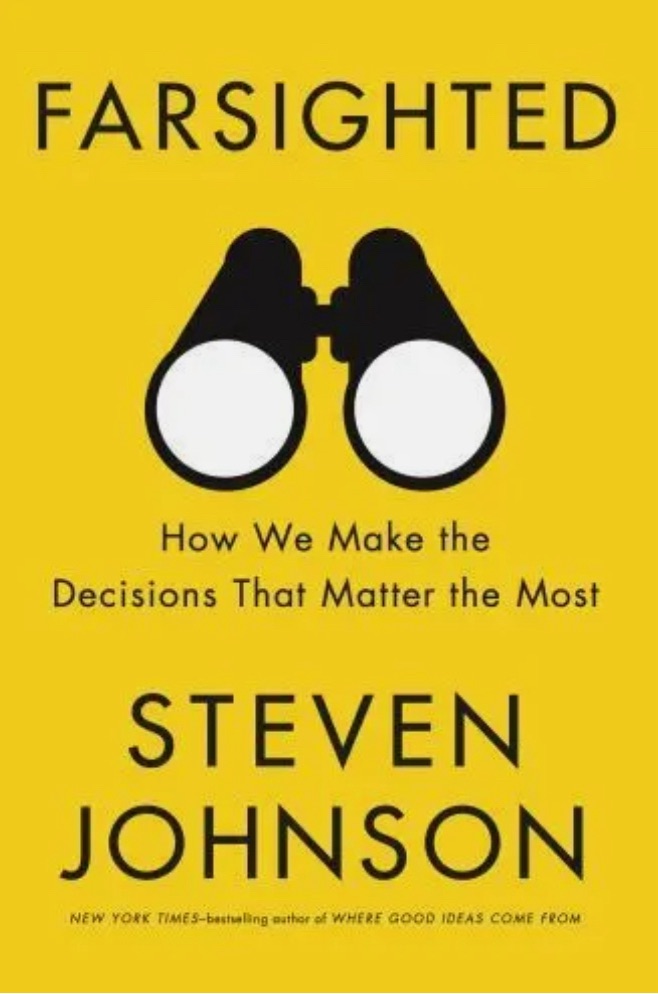
There is no foolproof algorithm for life’s difficult choices. But the research shows that you can get better at making them.
One important insight that has emerged from this research is the importance of generating alternatives to any course of action you are considering.
Professor Nutt and other researchers have demonstrated a strong correlation between the number of alternatives deliberated and the ultimate success of the decision itself.
The upshot is clear: If you find yourself mapping a “whether or not” question, looking at a simple fork in the road, you’re almost always better off turning it into a “which one” question that gives you more available paths.
What’s the best way to expand your pool of options? Researchers suggest that if possible, you diversify the group of people who are helping make the decision.
In a post-mortem, the subject is dead, and the coroner’s job is to figure out the cause of death. In a premortem, the sequence is reversed: “Our exercise,” Dr. Klein explains, “is to ask planners to imagine that it is months into the future and that their plan has been carried out. And it has failed. That is all they know; they have to explain why they think it failed.”
In Dr. Klein’s experience, the premortem has proved to be a much more effective way to tease out the potential flaws in a decision. A whole range of bad cognitive habits — from groupthink to confirmation bias — tends to blind us to the potential pitfalls of a decision once we have committed to it. It isn’t enough to simply ask yourself, “Are there any flaws here in this plan that I’m missing?” By forcing yourself to imagine scenarios where the decision turned out to be a disastrous one, you can think your way around those blind spots and that false sense of confidence.
The ultimate limitation of the pros and cons list is that we are merely transcribing our existing understanding of the decision at hand and not seeing it with fresh eyes. “One thing a person cannot do, no matter how rigorous his analysis or heroic his imagination,” the economist and Nobel laureate Thomas Schelling once observed, “is to draw up a list of things that would never occur to him.”
And yet hard choices require us to make those kinds of imaginative leaps: to discover new paths and outcomes that had not been visible to us when we first started wrestling with the decision. It is the nature of complex decisions that they are all unique constellations of variables.
Steven Johnson
 Majicman Notes
Leave a comment