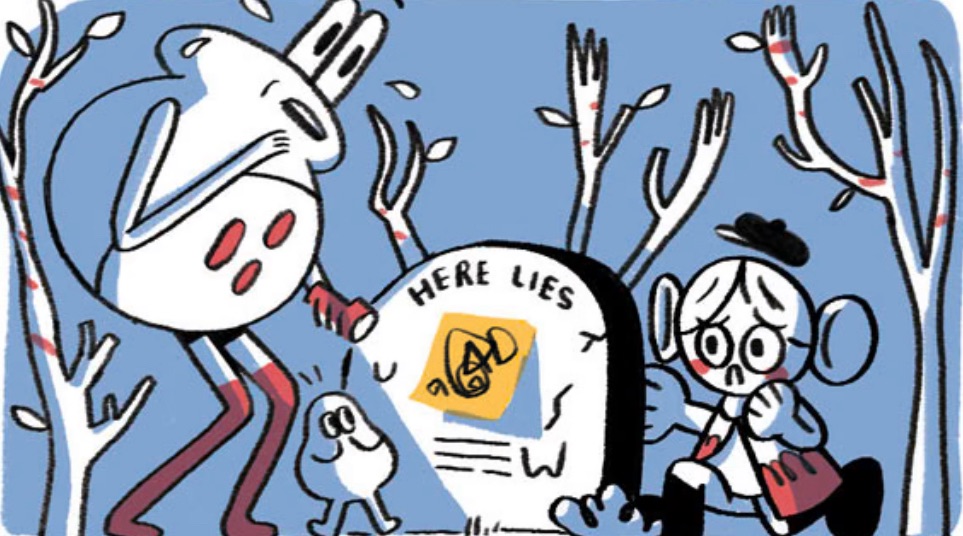
In a post-mortem, the subject is dead, and the coroner’s job is to figure out the cause of death.
In a premortem, the sequence is reversed: “Our exercise,” Dr. Klein explains, “is to ask planners to imagine that it is months into the future and that their plan has been carried out. And it has failed. That is all they know; they have to explain why they think it failed.”
In Dr. Klein’s experience, the premortem has proved to be a much more effective way to tease out the potential flaws in a decision. A whole range of bad cognitive habits — from groupthink to confirmation bias — tends to blind us to the potential pitfalls of a decision once we have committed to it. It isn’t enough to simply ask yourself, “Are there any flaws here in this plan that I’m missing?” By forcing yourself to imagine scenarios where the decision turned out to be a disastrous one, you can think your way around those blind spots and that false sense of confidence.
Steven Johnson,
NY Times
 Majicman Notes
Leave a comment